LOVE TO KILL DRAMA RECAP

After discussing Rain’s post-vomit lizard kisses in the latest podcast, this blast from the past was just a matter of time. So here we have it, a first episode recap of 2005’s A Love to Kill(also known as This Cursed Love, akaThis Love I Want to Kill, aka The Love of Death, aka Detestable Love, akaKnock Out By Love). I’m not joking about those titles, but I’m holding out hope that KBS was.
There’s no use trying to fool anyone that this show isn’t a melodramatic bedlam that mostly skews ridiculous. It’s a lot of cliches rolled into one and it’s certainly not a lot of things – like very good, for instance. But we all have those dramas that hold a special place in our heart for whatever reason (Rain, The Gateway Drug), and A Love To Killis one of mine. Sometimes you just can’t help what you love.
EPISODE 1 RECAP
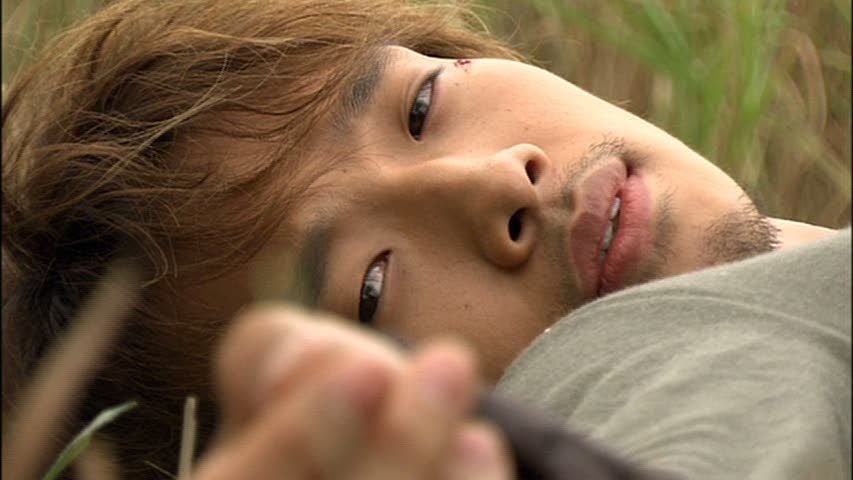
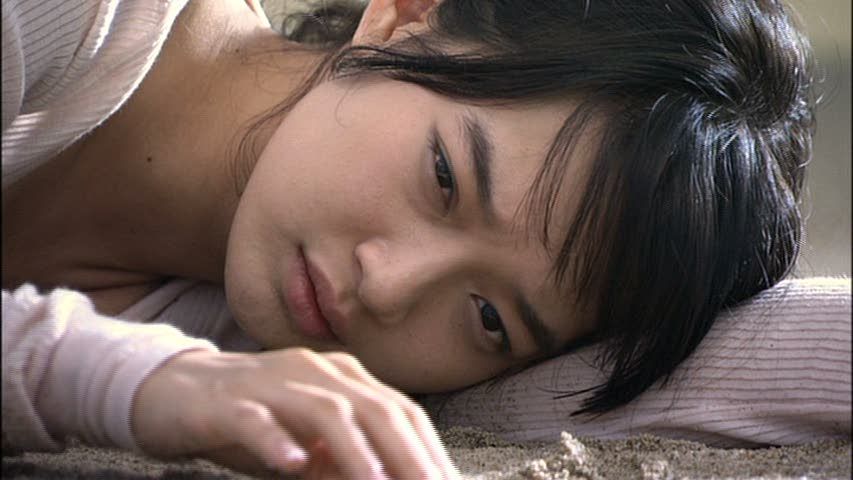
Two people in two different places reach for each other across space and time, with the scenes intercut to give us the idea that a metaphysical tie already exists between them. (Is it fate? It’s probably fate. I bet it’s fate.)
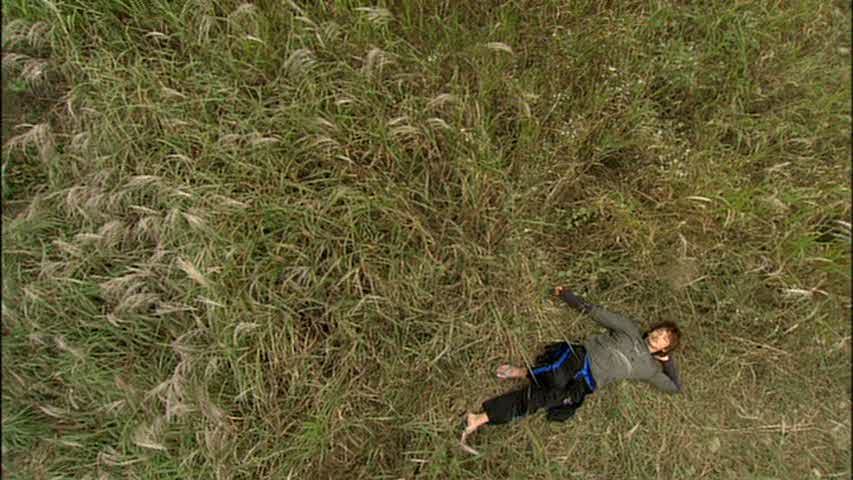
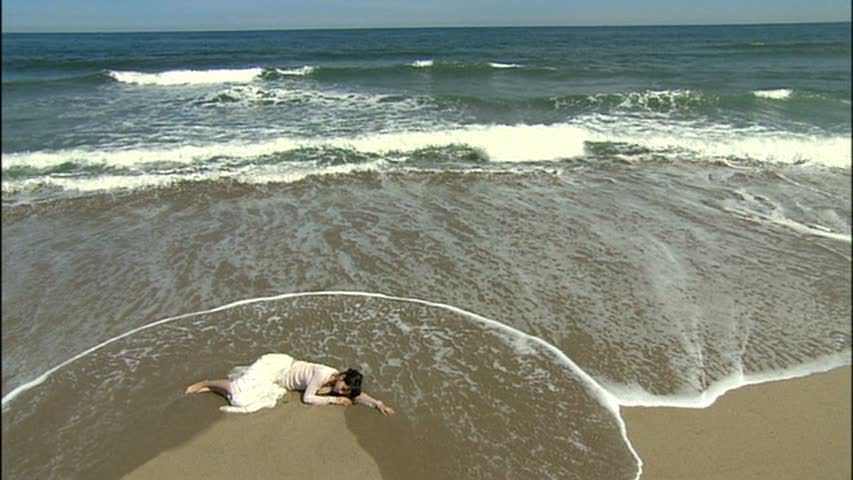
Our anti-hero hero, KANG BOK-GU (Rain!) lies alone in a grassy field while our heroine lies – wait for it – alone on a beach, the waves crashing softly around her. She’s CHA EUN-SEOK (Shin Mina), and she opens her eyes and reaches out her hand toward the camera while Bok-gu does the same. It’s like they’re reaching toward each other. (That’s deep.) He closes his eyes, and a tear falls down his cheek.
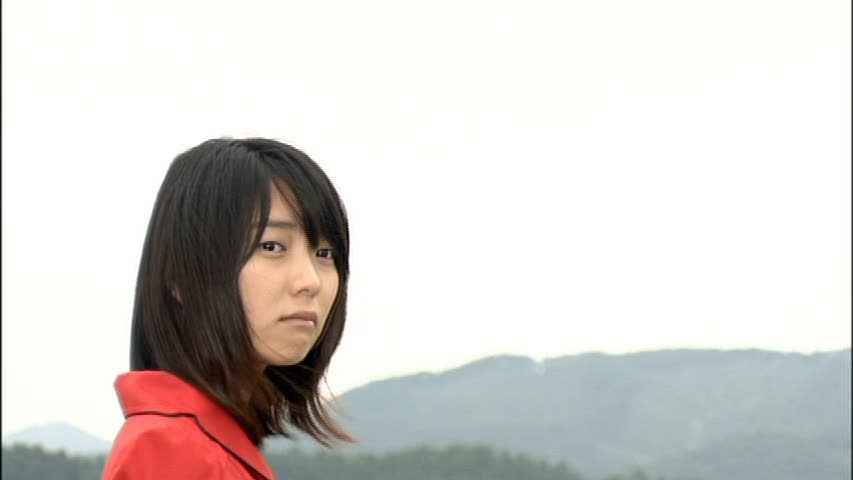
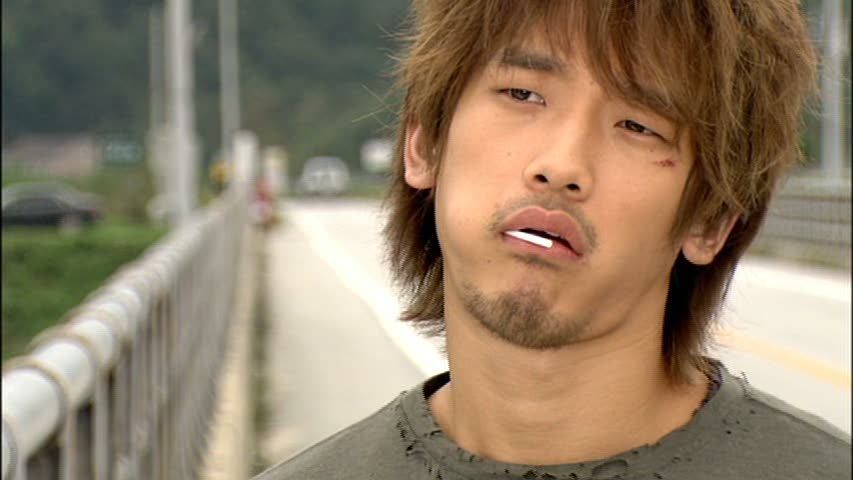
Now we get the official(?) start to the episode, as Bok-gu’s friends are having a party near the river. One of them is startled to see a woman in a red dress poised at the top of the nearby bridge, looking as though she’s ready to jump. He hurries to find Bok-gu (calling him ‘Dog’ Bok-gu) and alert him to the situation. From that far distance they can recognize the woman as a banker’s daughter who suffered Bok-gu’s rejection.
Bok-gu, too cool for school, ignores the problem even as the girl in red sheds tears. Suddenly, though, we see him sauntering toward her with a lollipop in his mouth and a vicious dose of apathy on his face. The first thing he tells a girl about to commit suicide? That if she was going to show her panties to all the guys standing below, she could at least pull her skirt up to give them a better show. Ouch.
She threatens that she’ll jump. “Tell me that you love me,” she pleads. He continually acts dismissive despite her plethora of sorrows. “Say, ‘If you wait for me, I’ll love you.’ Please say that to me,” she begs. But he doesn’t. Instead, he tells her to go ahead and jump off. When he turns his back, she jumps. He just keeps walking afterward, but maybe some part of his conscience niggles at him, and he jumps in after her.
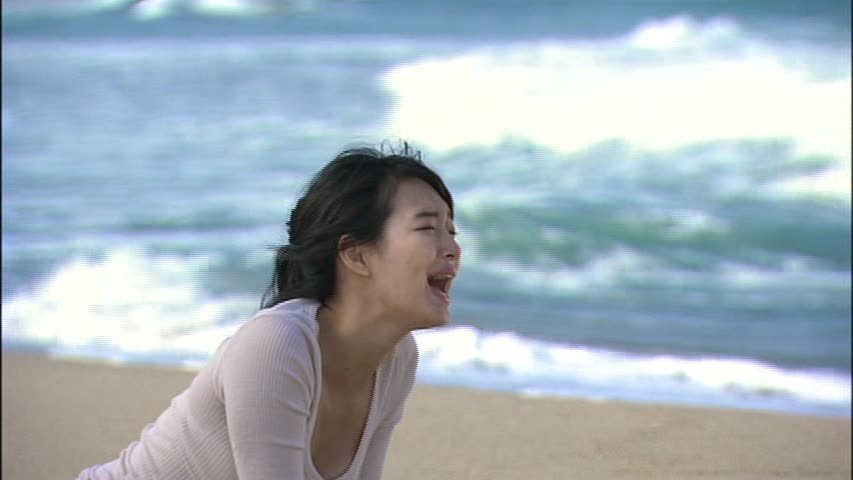
We cut back to Eun-seok, who’s crying out for her oppa on a beach. She begins to walk into the water as a director yells “Cut!”, and we soon realize that we’re watching a show within a show. It turns out she’s an actress, but it doesn’t seem like she understands the word “cut” since she keeps heading straight into the water. I love this little moment where her manager, CHOI MI-SEON (Kang Rae-yeon), stops someone from retrieving Eun-seok with a shake of her head as if to say: Girl be crazy.
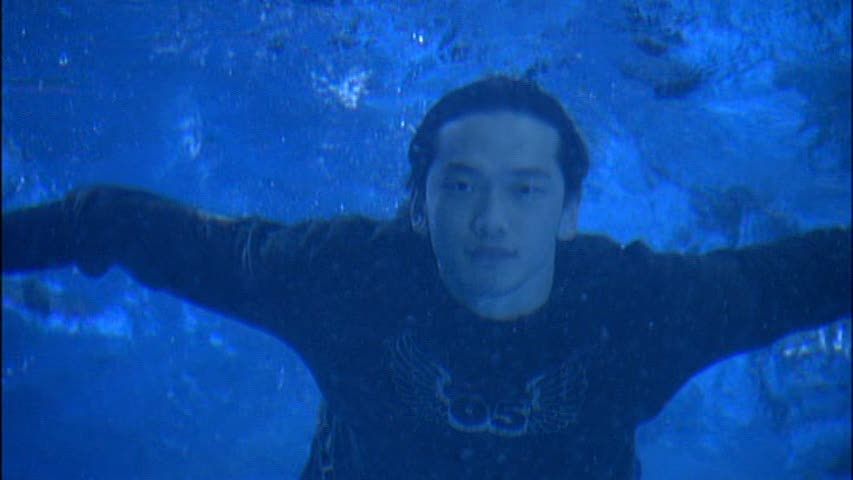

She dives into the water at the same time as Bok-gu dives into the water wherever he is, and the scenes are intercut to make it seem like they’re swimming toward each other. Beneath the surface of the water it looks like Bok-gu grabs Eun-seok, but when he emerges, it’s with the girl in the red dress.
Bok-gu’s saved the Girl In Red’s life, though that doesn’t mean he has to be happy about it. He tells her that he won’t save her if she pulls this stunt again, and leaves her on the shore to cry. Ding! We have a winner on our hands.
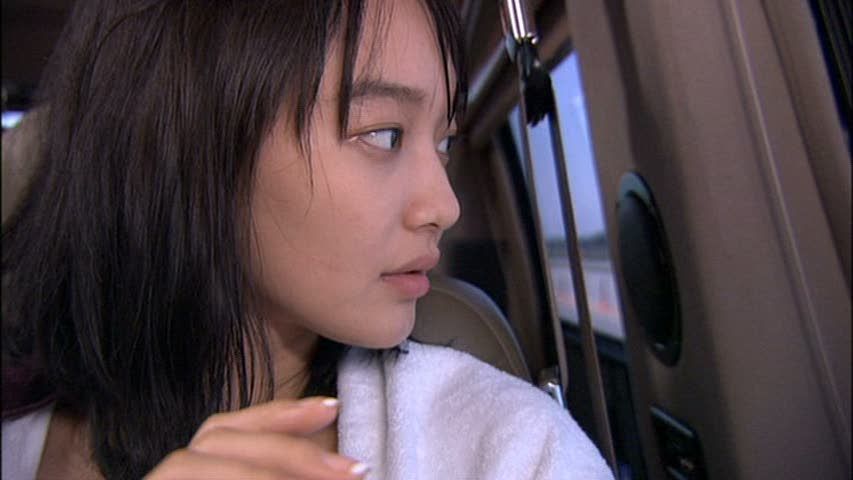

After going for a salty swim, Eun-seok finds herself in her actress’ van with her manager. As fate would have it, the van that ends up driving next to them houses Bok-gu and his friends – and at the sight of what must be a celebrity car, they all begin waving frantically to gain her attention. She’s all smiles until she sees Bok-gu through the open window, asleep in the back. His face brings to mind a song she once asked her oppa to sing, the same man she thought aloud to while she was swimming in the ocean.
He’s not that asleep, it seems, as his hand begins reaching out of the car window just as Eun-seok’s does the same – and soon they’re reaching toward each other, their fingers inches apart.
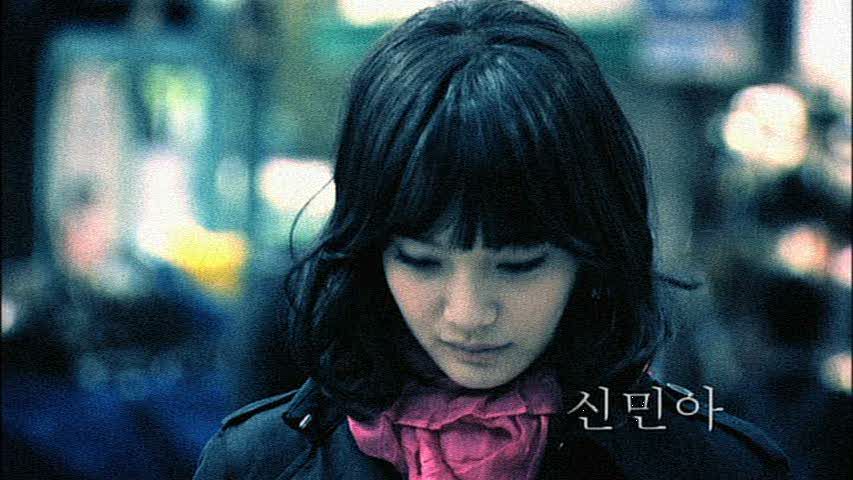

It’s only now that we cut to the opening sequence introducing the actors, and I’m noting it because I really like it as a plain view of the underlying conflict for the series – Eun-seok is just minding her own business in the middle of a crowded street before she comes face to face with Bok-gu, holding a gun to her head. (He’s out to kill his love! I get it!) It’s everything I wanted the drama to be – dark, visceral, stylistic. One tiny opening sequence and I was hooked just based on potential. Couldn’t the whole drama just be this sequence?
Eun-seok goes through her daily routines, photo shoots and the like, though whenever she’s not actively on film her eyes seem distant, her mind clearly somewhere else. It sort of seems like she’s just going through the motions.
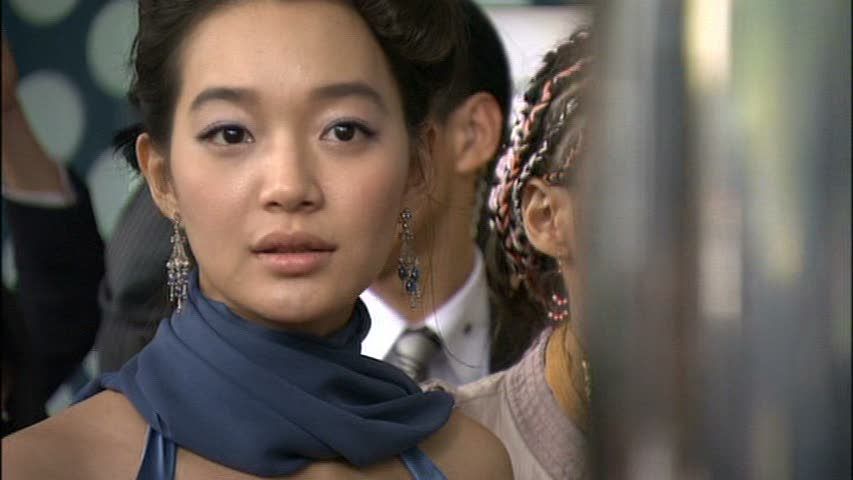
A man in a baseball cap watches her from afar, and the sight of him puts Eun-seok into a state of shock. Though he turns to go she calls after him in voiceover, “Please don’t run away. Please don’t go. Please… Don’t go! Kang Min-gu, you bastard!”
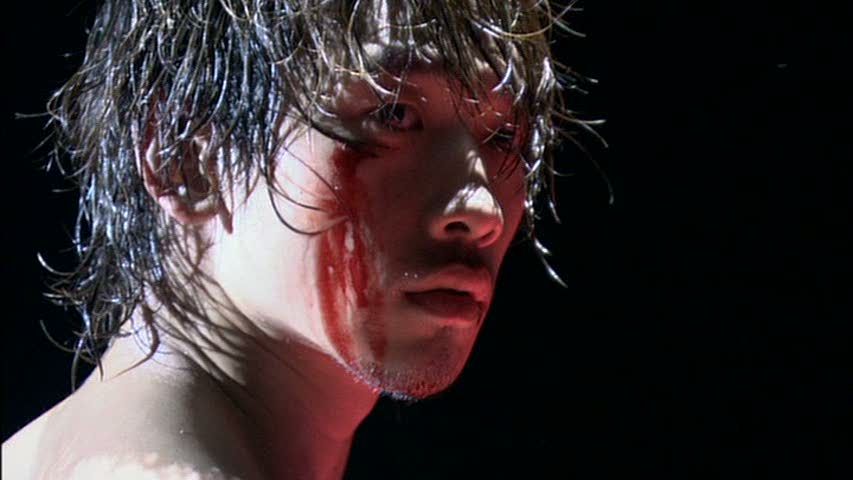
And just at that time, Bok-gu turns suddenly, as if he’s heard her voice. For reasons unknown this scene is in black and white, as we hear someone saying to him in voiceover not to resort to violence no matter what. The source of the voice and memory is his brother, KANG MIN-GU (Kim Young-jae), and it seems as though Bok-gu’s gratuitous use of violence was the reason for their estrangement.
We slowly fade to color as a bloody Bok-gu prepares to continue a K-1 match, having obviously chosen a life of violence despite his brother’s words of wisdom. It’s a brutal fight that ends with Bok-gu on the ground, though it’s not because he’s been knocked out – he simply chooses to lose. Why? Because titles are for winners, and he’s a loser. (No joke, he really is a professional loser.)
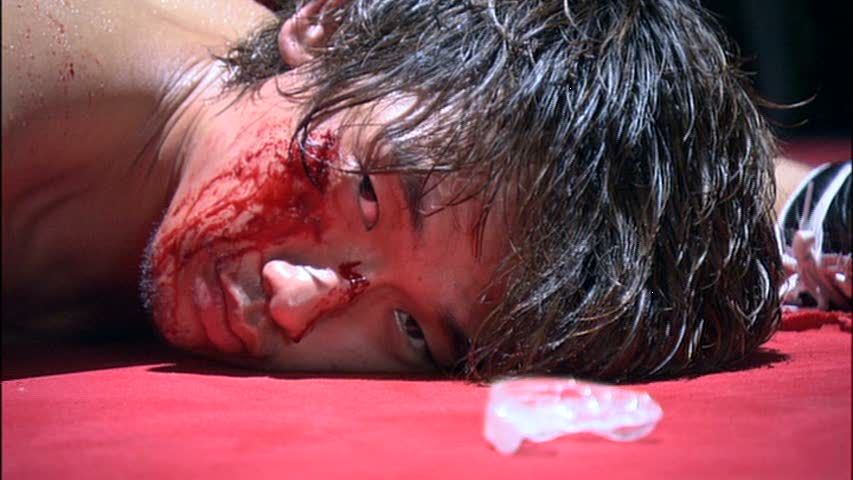

His opponent calls him out after the fight, wondering why he’s a K-1 fighter if he never wants to win. What’s his purpose in life, anyway? Bok-gu doesn’t answer, and instead smears the gum he was chewing over his opponent’s face.
Eun-seok has gone straight from a fancy gala to a poorer district of town, determined to track down Min-gu. She tries to find him at his old place to no avail, as his former landlady tells Eun-seok that he ran away with some unpaid rent. Why is a top star looking for a man without a penny to his name, anyway?
In order to comfort her, the landlady gives Eun-seok a bottle of soju, which Eun-seok drinks like a bottle of water. It’s in this state that her manager finds her, but it’s useless to chide Eun-seok, who could care less about her career.
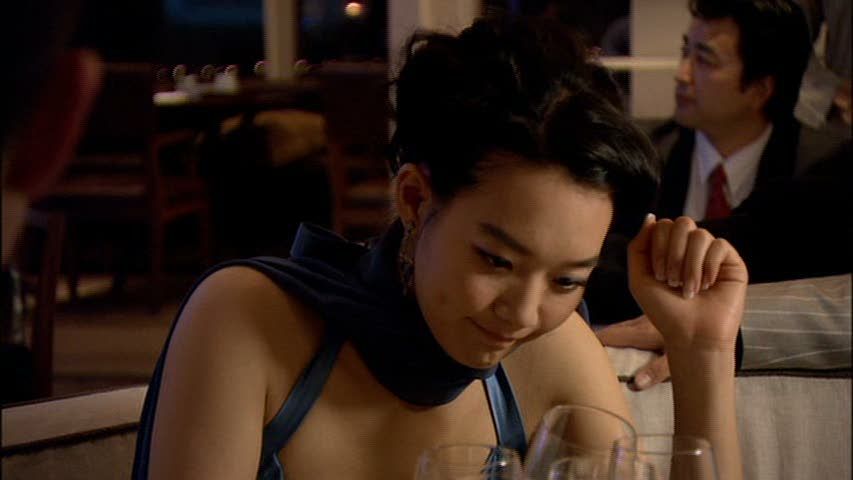
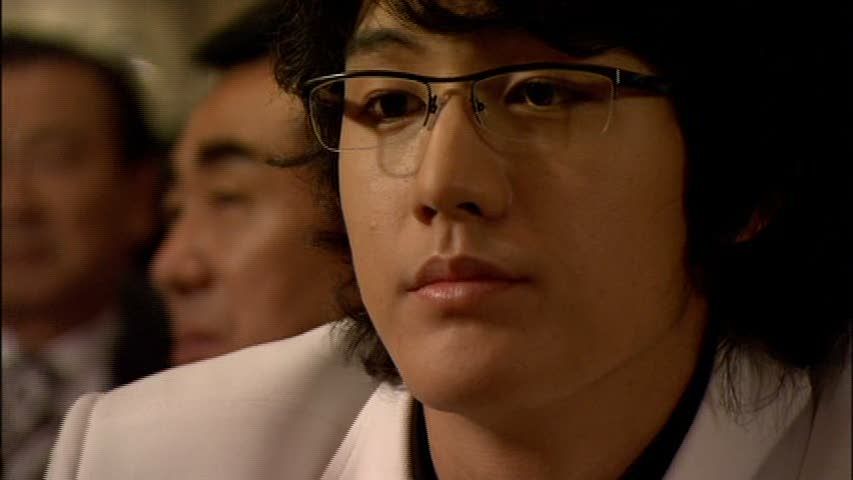
Regardless, she gets dragged back to the same party while a CF of her plays for all the honored guests. She’s the company spokesmodel, and she’s got about five glasses of empty wine sitting in front of her. A kind man sitting across the table slides his half-empty glass over, and she thanks him drunkenly. That kind man is KIM JOON-SUNG (Lee Ki-woo), filling his second lead chaebol shoes perfectly.
Eun-seok is nowhere to be seen by the time the video dims and the lights go up, having excused her wasted self to a stairway in order to call Min-gu. Of course she gets his voicemail instead, and leaves him a sad message about how she’s called over one-hundred times. Eun-seok: “I can’t break up with you, why should I? I can’t break up with you like this. Over my dead body!” She begins sobbing into the phone.
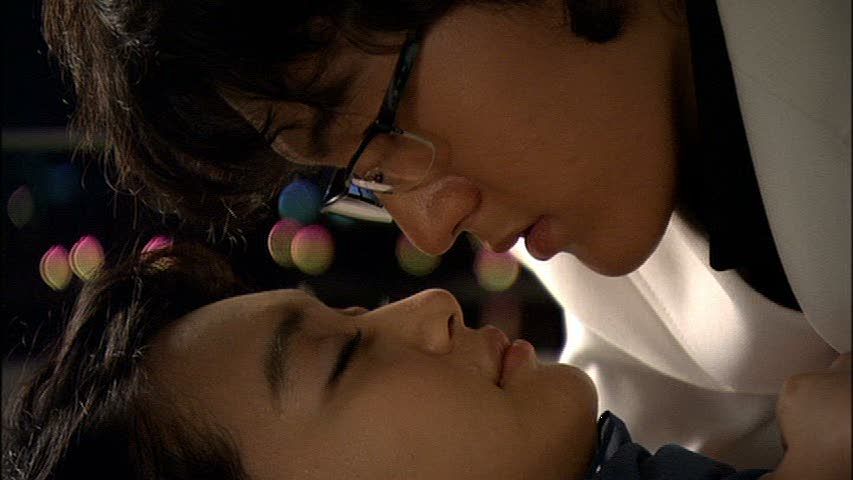
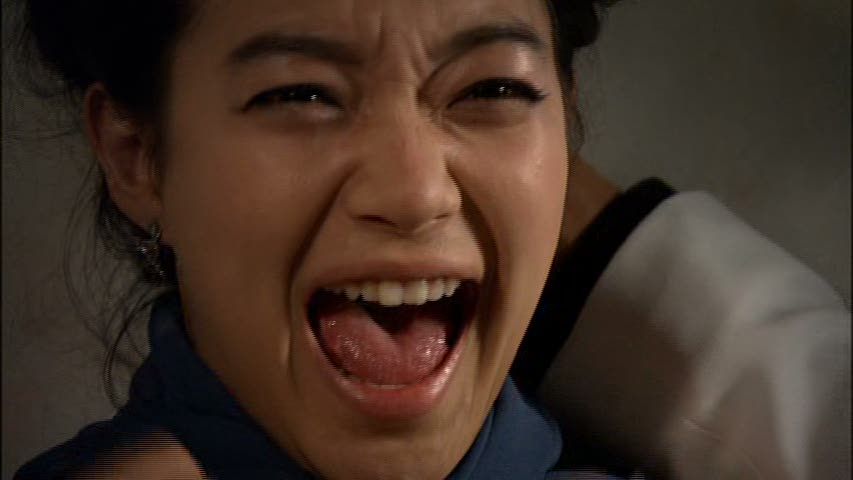
Meanwhile, Joon-sung continues to give the presentation to possible foreign investors, showing off his prowess in multiple languages. He finds Eun-seok passed out in the stairwell, and his attempts to rouse her end up with him falling on top of her. He didn’t mean the affront, but when she wakes up she immediately starts screaming – and someone with a camera phone records everything. Oh noes.
Eun-seok stumbles back into the party a drunk mess, with Joon-sung following behind. In view of everyone she calls him out for being a pervert and gives him the arm-equivalent of flipping him the bird.
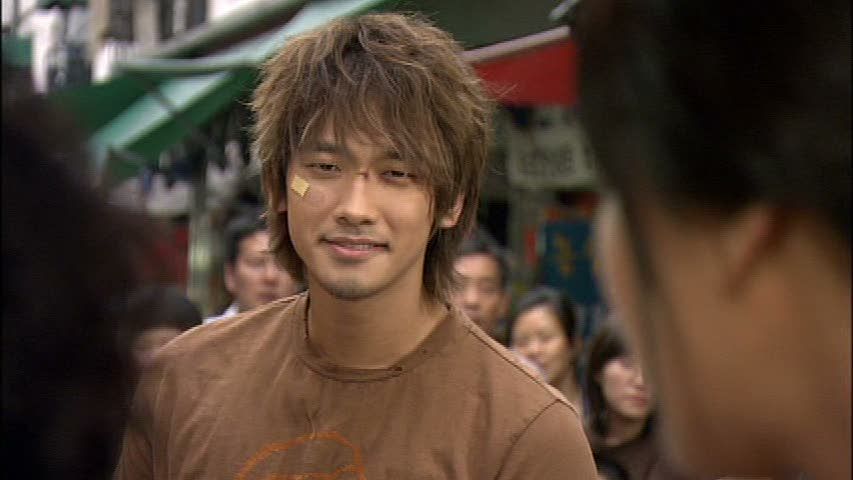

HAN DA-JUNG (Kim Sa-rang) makes a living as a small-time moneylender, and when money is due, she’s not afraid to resort to violence. In the case with a fruit-stand-owning ajumma, she begins upheaving all the fruit in order to cause a scene. When the ajumma doesn’t relent Bok-gu appears to let her know that if Da-jung is threatening to kill her, then she really will. “She’s Han Da-jung and her nickname is ‘crazy dog,'” he tells the woman, in an effort to scare her.
When that doesn’t work, he puts the fear of God into her as he shows off his knife-wielding skills, and Da-jung eventually gets her money. He follows her around for the night as they go from venue to venue, with Bok-gu acting as Da-jung’s frightening backup to intimidate debtors into paying their dues. Even when they encounter a group of gangsters at a hostess club (is Da-jung a pimp too?), Bok-gu disposes of them like a boss.
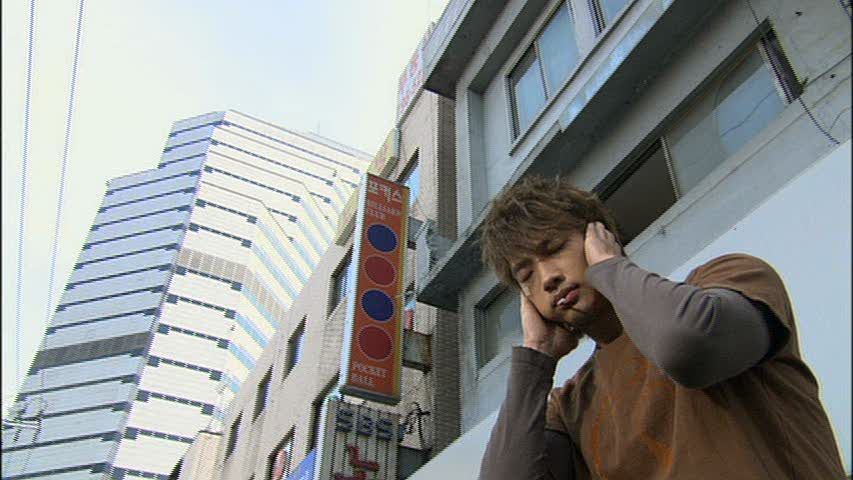
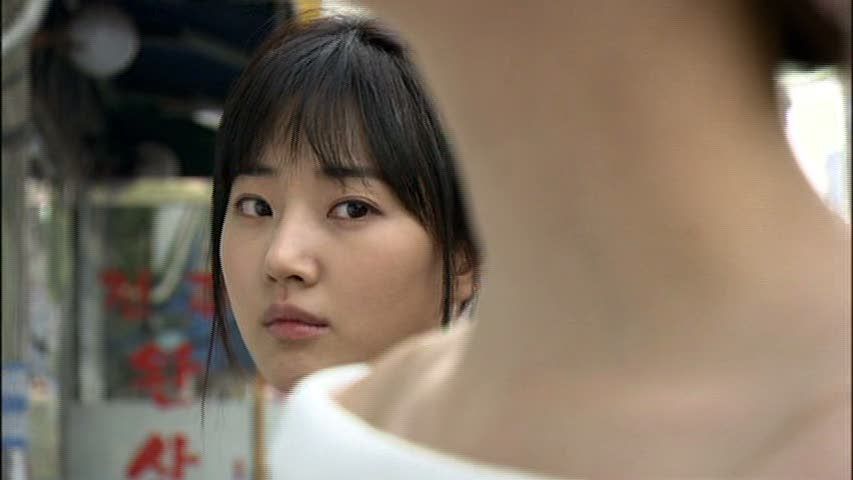
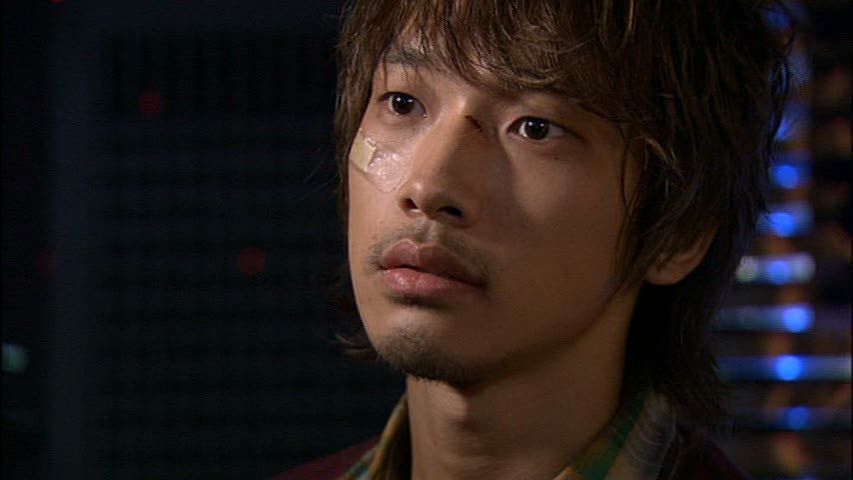
He’s clearly a rebel with his unshaven appearance, Nelly cheek-bandage, and that lollipop he always has in his mouth. But he’s a rebel who’s afflicted by his past, as he covers his ears in an attempt to un-hear the strains of the same song his brother used to sing to him.
Sad violin music plays as Da-jung views a wedding dress through a store window, and we get a closeup of her neck where a minor cosmetic burn remains. Well, that explains why she always wears a neck scarf. (I guess being former Miss Korea doesn’t count for anything when plagued with what looks like, at most, a second-degree sunburn.)
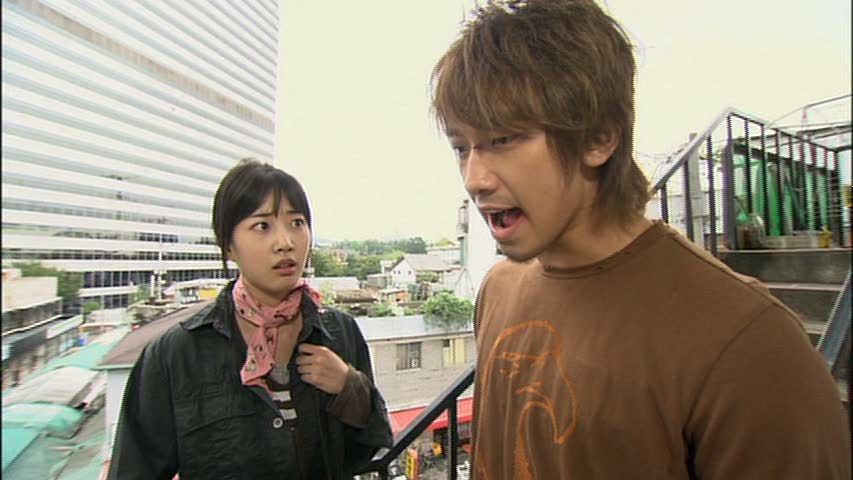
Da-jung recognizes a man in the street who once poured hot soup on Bok-gu, and wants to kill him in order to take revenge for Bok-gu’s humiliation. Gentle words from Bok-gu don’t work to get her mind off the revenge train, and it’s only until he shouts at her that she listens. He tells her not to do anything for him anymore, whatever it is. Hmm. I smell a guilt complex.
As he takes her home on a motorcycle, we get small flashbacks into their past. Bok-gu was trapped in a burning building, and Da-jung went to save him. Ergo, the burn mark, and their current connection to each other that seems fostered out of Bok-gu’s guilt over the scars she sustained saving his life.
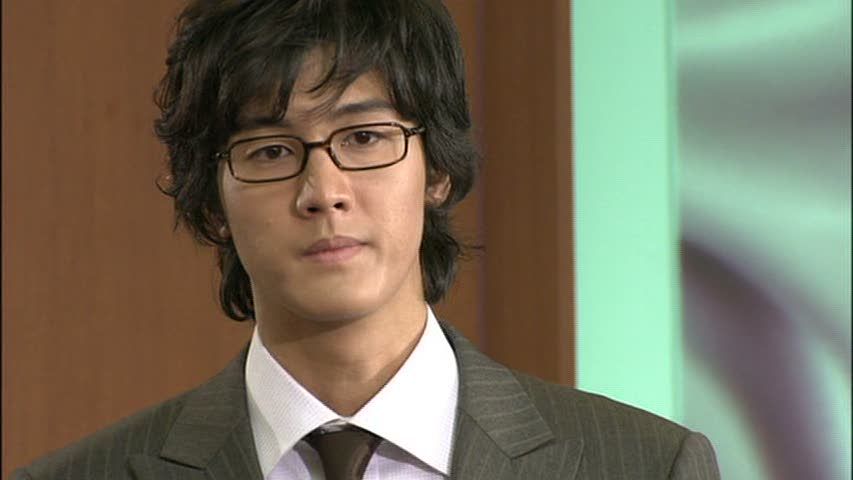
The video of Joon-sung falling on top of Eun-seok has gone viral, and it looks much worse than what it was. It’s effectively blown up into a scandal for both Eun-seok and Joon-sung, who’s the youngest son of his chaebol family.
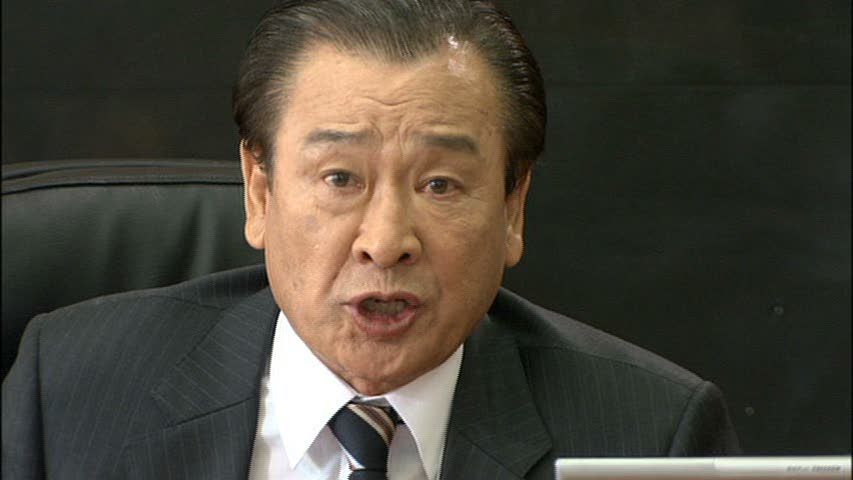
Joon-sung’s father watches him while he gives a perfectly good presentation, and decides that the perfect time to rant against the scandal with his son is in front of a group of foreign investors. Nice. He tells Joon-sung that he has no need for him in his family – he has one good son, and that’s enough for him.
Unfortunately, Joon-sung finds out about the video through one of the French investors. They’re more up on tabloid gossip than he is, apparently.
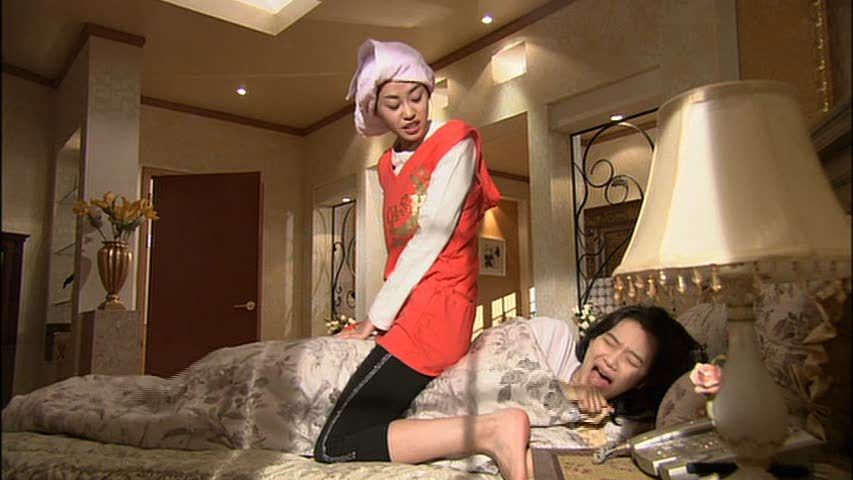
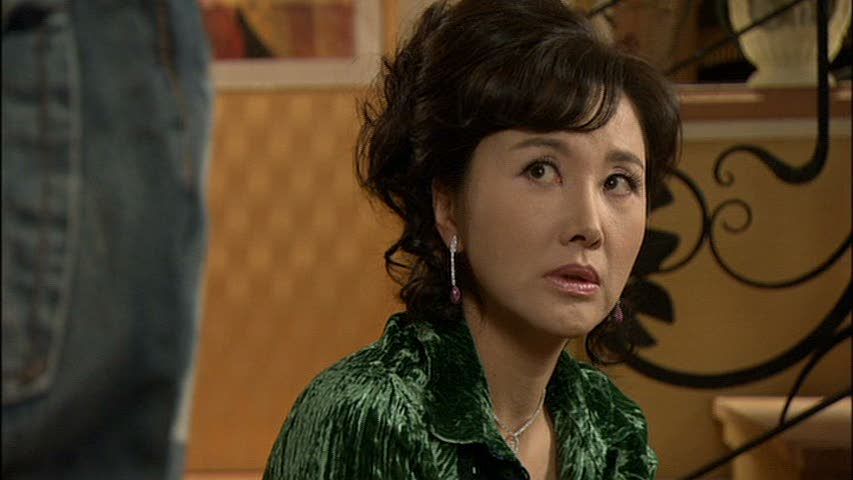
Eun-seok’s manager sets to berating Eun-seok for having drank too much on the night in question, while her overdramatic mother stakes out in the middle of the living room, having refused to drink or eat anything all day. When Eun-seok’s sister remarks that this scandal isn’t the end of the world, Mom offers a contrary opinion. “Yes, the world has come to an end. It’s all over now. It’s over.”
Mom then starts crying to her husband over what they’re to do with Eun-seok now that her reputation is ruined. Eun-seok’s brother quips that she’s always wanted to end her acting career anyway, so what’s the fuss? It’s clear that her brother has some resentment for Mom’s money-grubbing ways, considering that she doesn’t seem to be their biological mother and has instead married in for Eun-seok’s money.
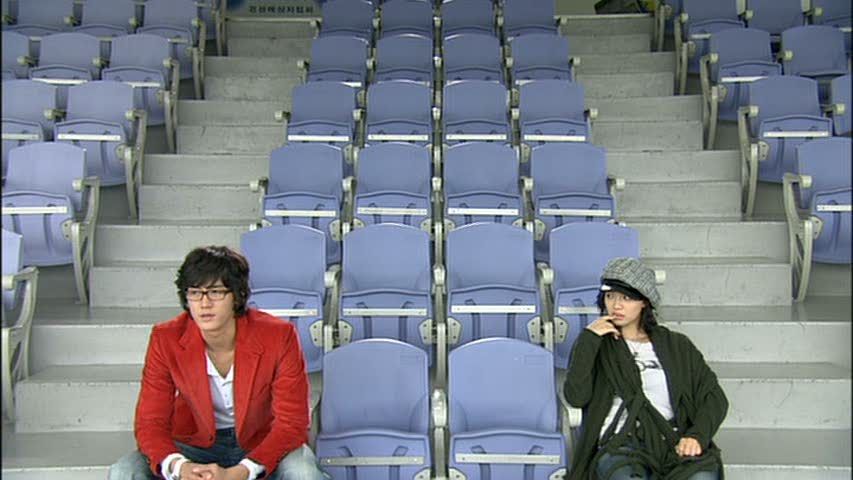
Joon-sung calls Eun-seok out for a meeting to discuss the scandal. She’s still under the impression that he tried to molest her, but he protests his innocence. He tells her that he doesn’t put his hands on food that isn’t his, which she takes offense to. So what, she’s food to him? Who’s his dessert?
Frustrated, he chides her for calling him out on something she knows he didn’t mean. Joon-sung: “Weren’t you educated in college?” She blinks at him like he’s speaking a foreign language and tells him that no, she never went to college, but since he’s the college graduate he can come up with a solution to their problem.
Joon-sung then asks if she staged everything on purpose to net herself a chaebol – he heard that actresses do it all the time. Eun-seok nearly snorts. “Hey, Tall Boy. Do I look that easy to you?” Ha, I love his nickname. Very fitting.
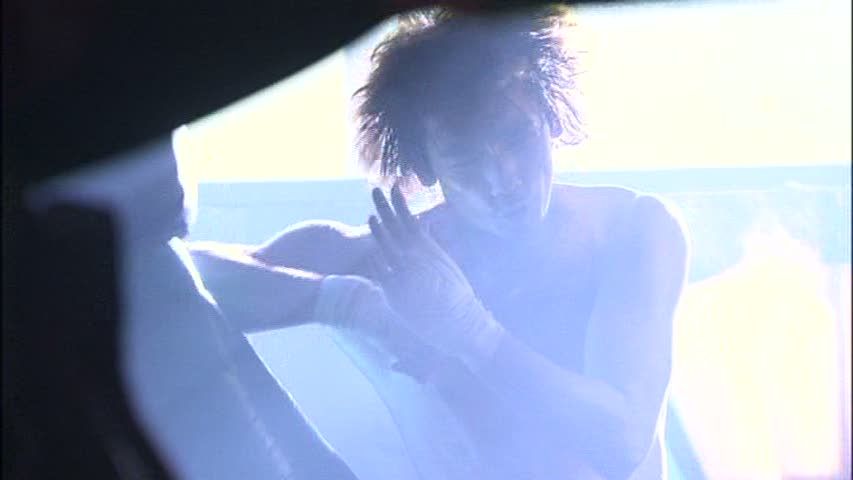
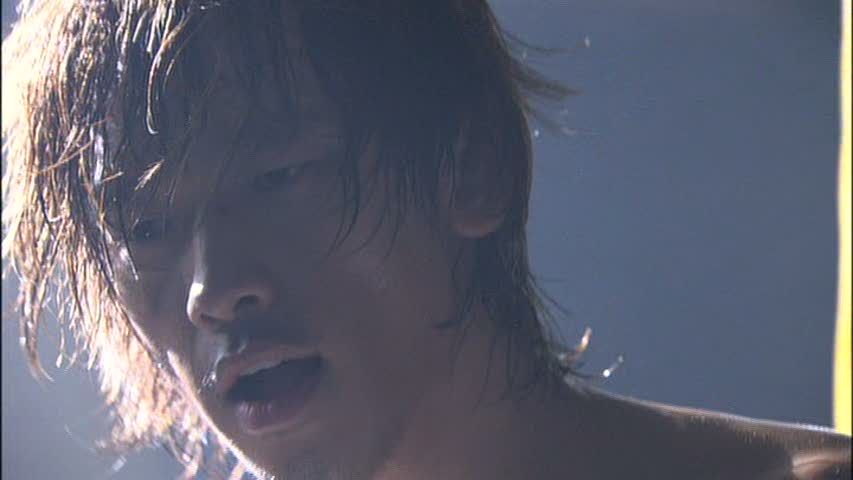
We get a montage of shirtless Bok-gu taking out his frustrations at on a punching bag. The punching bag, of course, being a clear metaphor for the inner turmoil his survivor’s guilt has caused him as he toes the line of life and death, the swaying motion a symbol for the vicissitudes of fate and the loss of his brother’s love as Bok-gu plays the role of both spectator and master in a poststructuralist world that threatens to engulf him at every turn. (Because this scene wouldn’t just be here for Rain’s abs, right?)
Even though Bok-gu is a tool, he certainly has no dearth of ladies following him around. But the one who meets him near his house is an interesting case – his demeanor toward her is much different than the way he was toward the girl in the red dress. She wonders why he never called, and tells him that she’s getting married tomorrow. Like the girl in red, however, she too offers to drop everything in her life if Bok-gu would only tell her not to go.
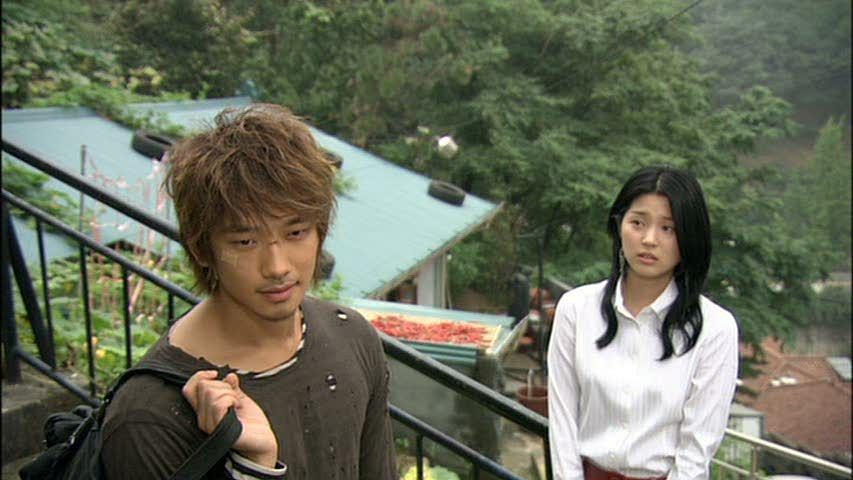
He tells her that she can’t cancel her wedding just because he says so, but it’s clear that he does want to say so. They had something special going on, but he let her go because of Da-jung. She knows this too, and tells him, “You can’t love somebody out of loyalty.”
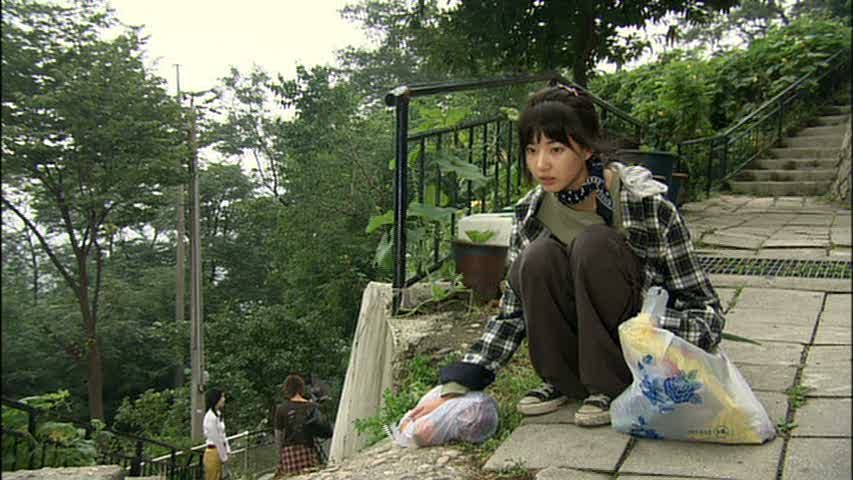
Da-jung is nearby, and hears those words. Ouch. To further drive the point home, his past girlfriend tells him that she knows Da-jung got her burn scar because of him, and that’s why he devotes his life to her like a debtor paying back his debts. But here’s the clincher: “Why do you go through hell with a girl you don’t even love?” Double ouch, because Da-jung can still hear everything. She crumples to the ground with her groceries.
Bok-gu’s demeanor goes cold as a means of defense, and he tells the girl that he never loved her. There’s more going on to this scene than what’s being said, but the crux of it is that Bok-gu did love her but is willing to let his own happiness go for Da-jung’s sake, which is a heck of a guilt to put on a poor girl.
He becomes aware that Da-jung has heard everything, but acts as if nothing is wrong. She does the same, and that’s how they cope with their responsibilities toward each other. Da-jung knows what she’s doing to him, but it’s not with any malice that she keeps doing it.
Bok-gu goes off on his own to cool down, and Da-jung looks at her scarred back in the mirror, remembering that girl’s words loud and clear. She knows she’s being loved only out of loyalty.
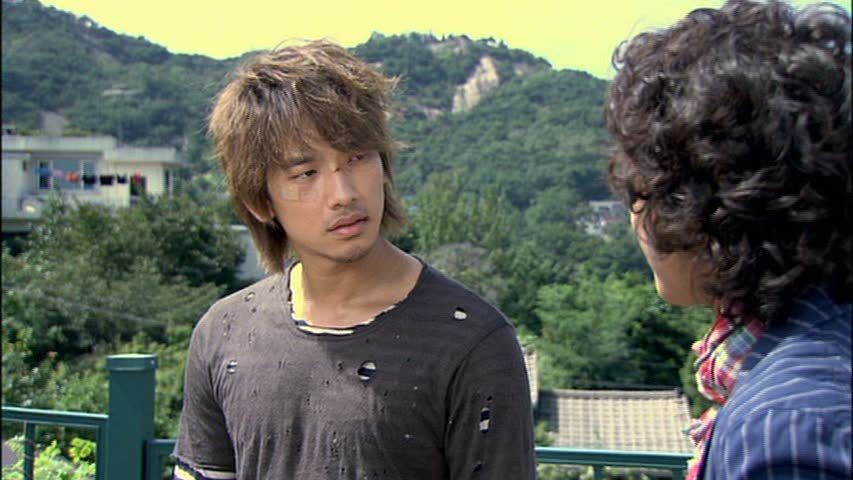
Bok-gu’s roommate, MI-SOOK (Na Yoon), is out of breath by the time he tracks Bok-gu down. He’s got some good news and some exposition: he’s found Bok-gu’s brother, Kang Min-gu, who Bok-gu hasn’t seen in ten years. Eun-seok’s CF plays in the background as this realization sinks in.
And then, suddenly, we’ve skipped the reunion stage to find Bok-gu hanging out with his long lost brother at his rooftop apartment. They share a beer and some feelings, with Min-gu apologizing for leaving his younger brother alone to face the world for so long.


Bok-gu tells Min-gu that he still resorts to violence, and in fact, it’s what he does for a living now. Is Min-gu going to run away again?
But Min-gu apologizes again, saying that he was completely in the wrong. Well, I guess that’s easy to say after ten years. But if he knows he’s in the wrong now, then why did he stay away so long?
He brings out the playful side in Bok-gu as they splash each other with foam from their beer cans and play like children on the roof. Aww. Moments later, Min-gu sees Eun-seok’s face on a nearby jumbotron with the accompanying headline that she’s now engaged to chaebol son Kim Joon-sung. Ruh roh.
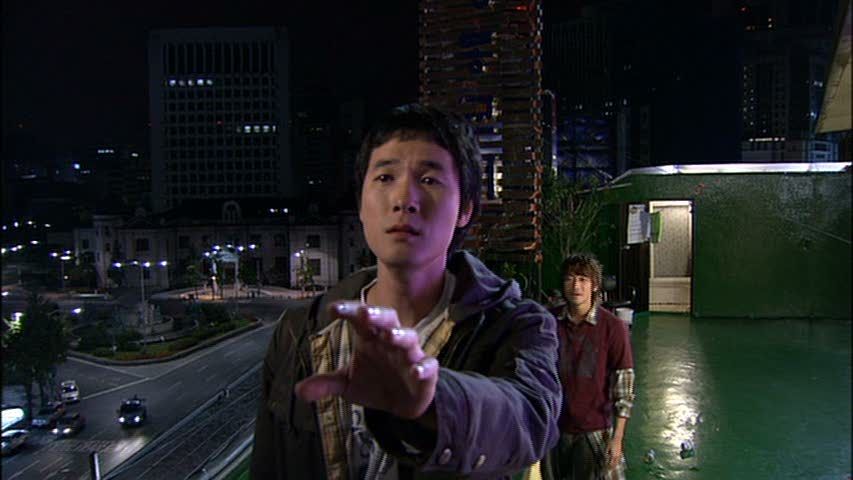
Min-gu reaches out his hand as if to cup Eun-seok’s digital face, lost in his own world. Bok-gu jokes that if Min-gu is her stalker, he better give up the ghost now. He should think of his age…
…But Min-gu disappears right in front of Bok-gu’s eyes, falling off the edge of the roof in the blink of an eye.
COMMENTS
Any and all snark for this drama comes from pure love, because I find this show in the category of being entertainingly bad with flashes of brilliance, rather than just bad. I certainly didn’t feel like I needed sixteen hours of my life back after watching it – because I’m pretty sure that in 2005, at the height of my Rain-love, I thought this was the best drama that ever happened ever in the history of ever, ever.
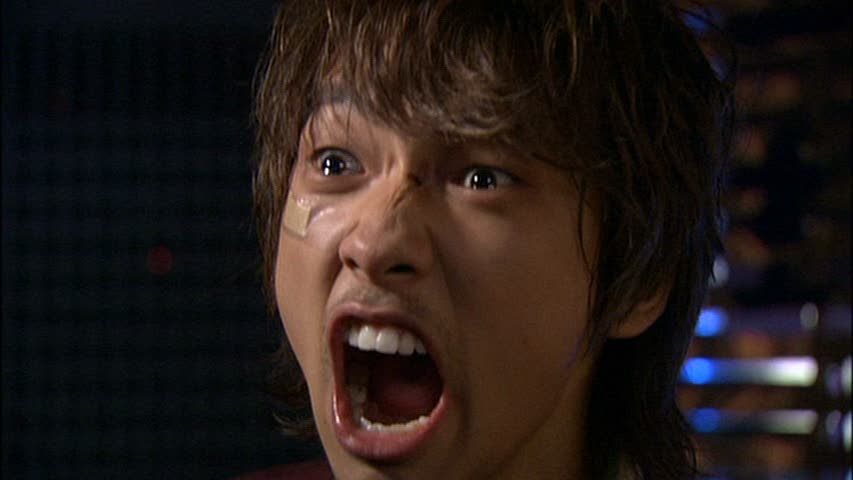
Speaking of, Rain’s performance pretty much carries the show as this sort of revenge-seeking broody monster who’s actually a pretty bad guy with some really unforgivable moments. Somehow, though, he still remains sympathetic – even when we lose all understanding of why he’s doing what he’s doing when he doesn’t want to be doing it. I don’t think anyone can accuse Rain of phoning this one in – he really gives this role his all, and it shows. In a lesser actor’s hands Bok-gu could have easily been unwatchable, and though the character still toes the line, Rain is a saving grace. (I’m seriously not just saying that as a fan.)
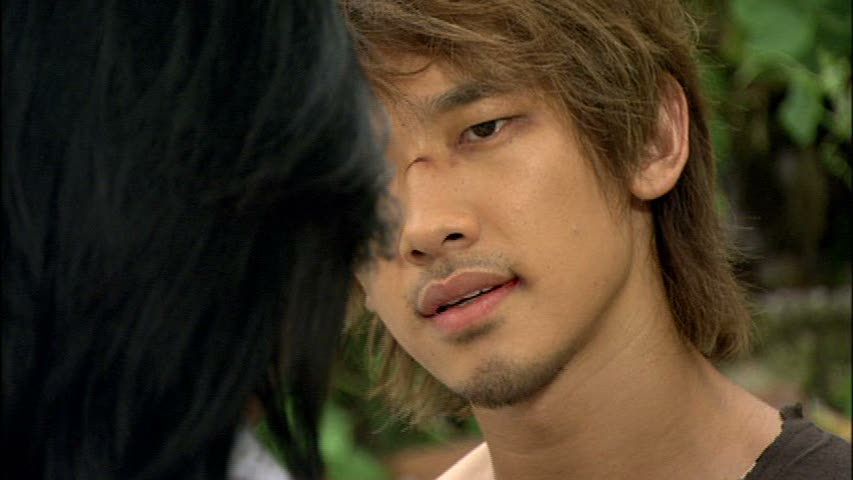
As for the conflict, I don’t think it’s a spoiler at this point to say that Bok-gu holds Eun-seok responsible for his brother falling off the roof and seeks to bring an unholy scorched-earth massacre of vengeance upon both her houses. We’re dealing with a revenge tale, but the revenge is based on a Big Misunderstanding and not really a wrong, so it’s hard to get behind Bok-gu’s journey in that regard.
So that’s the premise, but if you’ve ever watched a drama, you know that that little thing called love is going to get in the mix and rile things up. I was initially drawn to this series because of how dark it seemed to skew, and because a love story set in the background of revenge sounded epic (at the time). There’s also something about an anti-hero being the focus of a show that hits all the sweet spots for me, since I love flaws in lead characters and normally loathe perfection. In that regard, Bok-gu certainly delivers. There’s almost nothing in this first episode to really sell him as a likable character to us, other than that he’s unselfishly living his life for others rather than himself. He always chooses to lose in fights. He worships the ground his brother falls on. He might have thought about letting a girl commit suicide because of him, but he saved her in the end. (See, there are some good things here.)
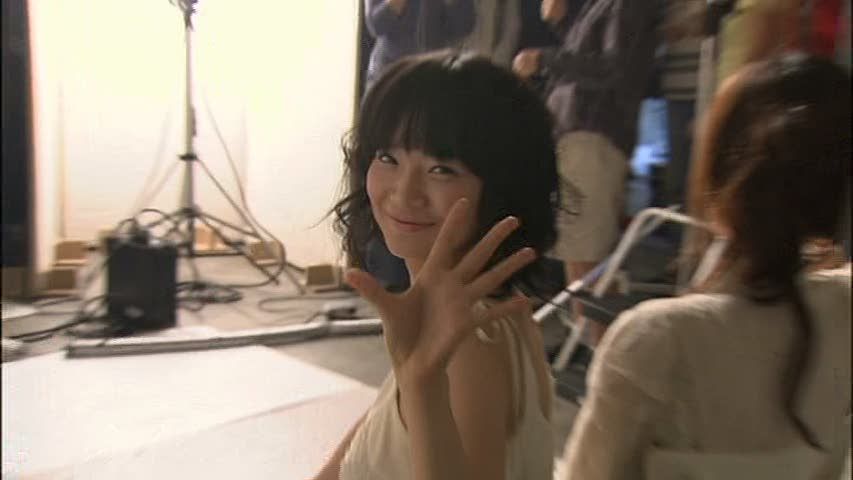
A big plus for A Love to Kill was the directing (and the soundtrack, which was exceptionally addicting and made me feel even when scenes didn’t call for it. Seriously, listen to the soundtrack and try to not be moved.) Now that I’ve seen Padam Padam: The Sound of His and Her Heartbeats, I canrecognize the special flair Kim Kyu-tae has and that he’s honed it over time while still staying true. (Some of the shots between A Love to Kill and Padam Padam are eerily similar, like the underwater scene.) He has an intimate way with cinematography that puts us both in the thick of action and keeps us far removed from it at the same time – sometimes we see the characters as a dot on a big, beautiful landscape, and sometimes we’re close enough to them that it looks like the camera glass will smash into their face at any moment. This isn’t too flattering for HD cameras circa 2005 – because even the ever-beautiful Shin Mina doesn’t look her best here, when every pore on her face can be counted and named.
Even so, the shots remain organic and interesting, lending A Love to Kill more of a movie-like feel that I really enjoyed. It’s withstood the test of time and can hold its own with modern dramas in terms of visual sharpness and flair, which still amazes me.
It seems almost counterintuitive to suggest that this drama, which aims to be a melodrama of melodramas, can actually be pretty fun if you know what you’re getting into. There are a ton of repeated actions and reactions by characters that can be made into one of the easiest drinking games ever – and one that will land you on the floor pretty fast. (Every time Bok-gu cries only one tear, every time Eun-seok breaks a heel, every time she collapses, every time she limps, every time poor Lee Ki-woo has nothing to do, every time someone ends up in a hospital – and yes, every time someone has an eating disorder.) That’s not to say that you can’t take this show seriously, because you can (and I did), but it’s a show with a lot of qualifiers. And one of the most puzzling endings in drama history, for that matter.
But really, you’re coming to this show for one of two reasons: Rain, or because you loved writer Lee Kyung-hee’s previous works (Sang Doo, Let’s Go To School, I’m Sorry I Love You) and are craving some melodramatic, revenge-laden romance. Or just Rain. I can enumerate all the points against this drama while still having that one all-encompassing embarrassing fact remain: I still loved it. It’s a series that doesn’t ask any big questions, one that doesn’t really have any mind-blowing scenes, and one that stays mostly quiet, save for the occasional sound of sobbing. It’s certainly not a love I want to kill, but one that I don’t quite know what to do with, either.


Comments
Post a Comment